
How to Get an Adaptive Swing Added to Your Local Park
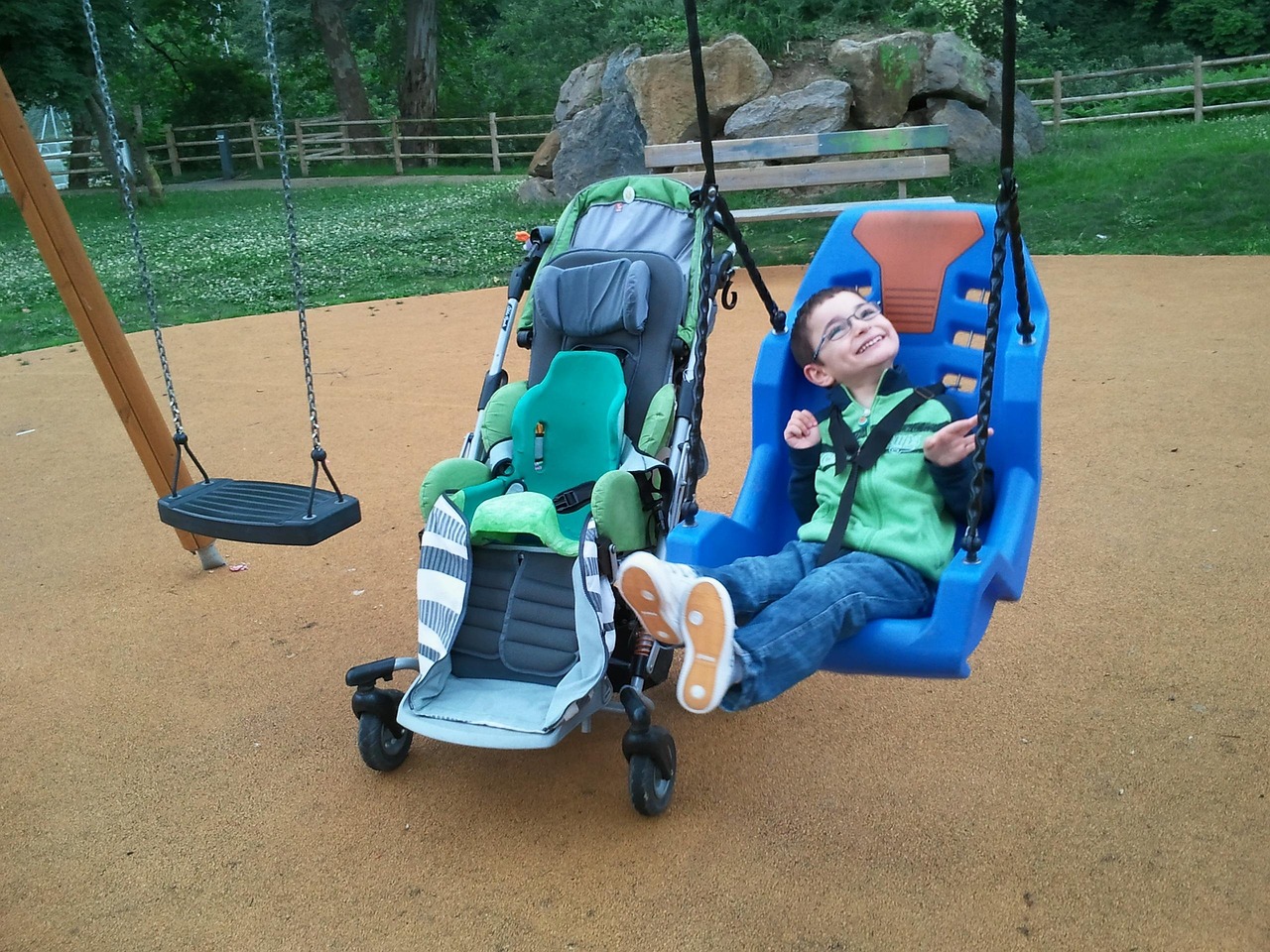
If you have a child with complex medical needs, you know that simple things often take more planning and effort.
Swinging your child at the park should be much simpler than it actually is.
For many children with physical or neurological differences, swinging is more than just fun. The movement, steady and rhythmic, can calm the body and bring real joy; however, most park swings are not built for children who cannot sit up, hold on, or balance on their own. Without an adaptive swing, your child watches from the sidelines while other kids play.
What is an Adaptive Swing?
An adaptive swing is built to safely hold children who cannot use a standard swing. Common types include:
Bucket swings with full back and side support
Platform swings that work with a wheelchair or let a child lie down
Harness swings that work with chest and hip support for children with low muscle tone
Your Voice Matters More Than You Think
Parks departments do not add adaptive equipment on their own. They add it because a family asked.
A clear, specific request works far better than a vague complaint. Parks staff respond well when you come with a solution, not just a problem. You do not need a lawyer or a petition. You need a well-written letter and consistent follow-through.
Families across the country have successfully added adaptive swings to their local parks this way. It rarely requires a legal fight or months of back-and-forth.
Step-by-Step: How to Ask for an Adaptive Swing
Step 1 - Pick your Park
Choose a park run by your city or county. Parks that are already being upgraded are your best bet. Budget decisions are being made right now. Your request can be part of them.
Step 2 - Find the Right Swing
Before you write, pick a specific adaptive swing to request. Look up the product name, the maker, and the rough cost. Your child’s physical or occupational therapist may have a good suggestion. Having a specific product makes your request easy to act on.
Step 3 - Find the Right Person
Call your Parks and Recreation Department. Ask who handles playground equipment for that specific park. Get a name. A letter to a real person gets read. A letter to a general inbox often does not.
Step 4 - Write your letter
Keep your letter short and solution-focused.
Include:
Who you are and which park you are writing about
Your child’s age and why standard swings do not work for them
The specific adaptive swing you want, with product details if you have them
Other families in your community who would also benefit
A nod to budget limits, show you understand they have constraints
A clear ask, a meeting, a reply, or a spot on the next upgrade plan
Tip: Do not lead with anger or legal threats. A first letter that feels like a partnership works better than one that feels like a complaint.
Step 5 - Follow up
Send your letter. Then call one to two weeks later. If you hear nothing, call again. Following up is not pushy. It is how requests get acted on.
Step 6 - Say Thank You out loud
When the adaptive swing goes in, share the news.
Post about it in local parent groups. If you can, tag the Parks and Recreation Department. This does two things: it rewards the staff who said yes, and it tells other families the swing is there.
Building Community One Adaptive Swing at a Time
When an adaptive swing is installed at a neighborhood park, something meaningful shifts.
Children who have never been around a child with a disability meet yours. This happens in a park playground and not in a school or a clinic. Children see, without anyone having to explain it, that all kinds of children belong in the same spaces.
Children also learn from being around each other. When your child is included, other children learn to include and value children who are different from them. That kind of understanding is hard to teach any other way.
Inclusive playgrounds are one of the most natural ways that happens.
Download the Free Adaptive Swing Advocacy Letter Template
We created a letter template you can use to write your own request.
It covers all the key points above.
You can fill it in for your child, your park, and your town in about 15 minutes.
You Deserve Support Too
Showing up for your child the way you do takes real strength and perseverance. It can also take a toll.
If you feel burned out, anxious, or alone in ways that are hard to explain to people who have not lived this, you are not alone. And you do not have to push through it by yourself.
Dr. Erin Armer at Brightways Psychology works with parents of children with complex and medical needs. Her approach is practical, warm, and grounded in real understanding of what you are likely going through.
Virtual therapy is available across California with in-person visits available in Palo Alto on Thursdays.
Dr. Erin Armer, PhD (PSY31832) is a licensed clinical psychologist and certified Perinatal Mental Health Professional (PMH-C) at Brightways Psychology in Palo Alto, California